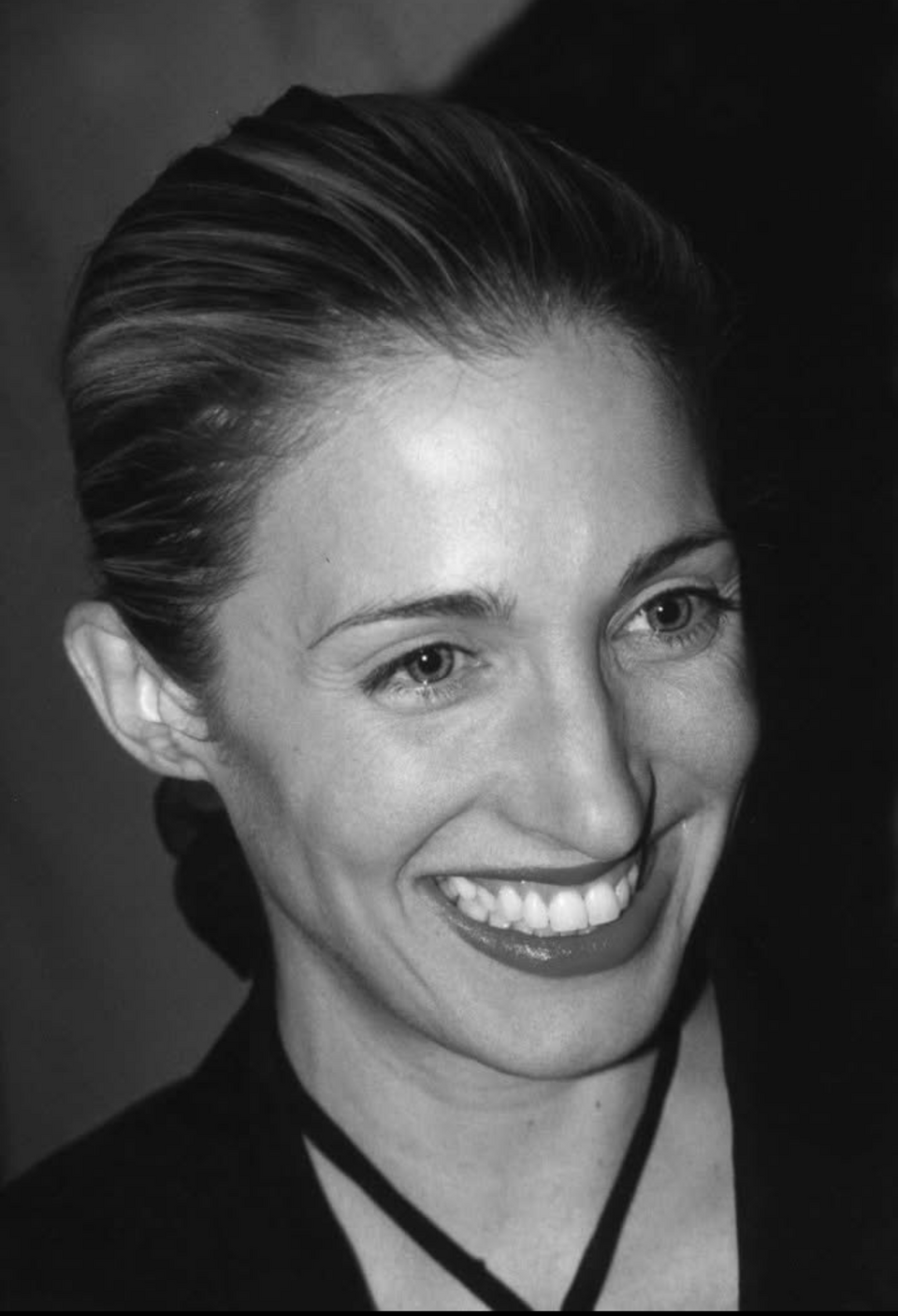
Anne Freeman: The Enduring Agony of a Mother Blaming JFK Jr. for Her Daughters' Deaths
Twenty-five years ago, a nation watched in disbelief as news broke of a devastating plane crash off the coast of Martha’s Vineyard. On July 16, 1999, the private plane piloted by John F. Kennedy Jr. plummeted into the Atlantic, claiming the lives of JFK Jr., his wife Carolyn Bessette Kennedy, and her sister Lauren Bessette. For Anne Freeman, the mother of Carolyn and Lauren, this tragedy was not merely a news headline but an unimaginable personal catastrophe that would forever define her life. Her grief was compounded by a profound sense of blame directed squarely at her son-in-law, a sentiment that lingered long after the initial shock.
The story of Anne Freeman is a stark reminder of the long shadow cast by sudden, public loss, and the complex, often accusatory, nature of profound grief. As the world mourned a national icon, Anne was left to grapple with the double loss of her beloved daughters, forever changed by the events of that fateful summer night.
A Mother's Unimaginable Grief and the Weight of Blame
Anne Messina Freeman's life, like that of many mothers, centered on her children. Born to Ann Messina and William Bessette in 1966, Carolyn was the youngest of three daughters, including her older twin sisters, Lauren and Lisa. Anne and William divorced when Carolyn was just eight years old. Anne later remarried Richard Freeman, an orthopedic surgeon, and moved her family to Greenwich, Connecticut, providing a stable, loving environment for her girls. She was a teacher and administrator, a woman who cultivated a sense of order and care.
The 1999 crash shattered this stability irrevocably. In the immediate aftermath, Anne's reaction was a potent mix of panic, anger, and a deep-seated conviction that John F. Kennedy Jr. was responsible for her daughters' deaths. Friends and family reported her fury, recalling her insistence that she had warned Kennedy against flying with both her daughters aboard. "Anne is still mad at John — she blames him for her daughters' deaths," a family friend revealed years later. This wasn't merely fleeting anger; it was a deeply ingrained belief that Kennedy's "recklessness" had led to the ultimate sacrifice of her children.
The psychological burden of such blame is immense. When grief is intertwined with a perceived preventable cause, it often transforms into a corrosive anger that seeks an external target. For Anne, JFK Jr. became that target. This anger, while perhaps understandable given the circumstances, also became a barrier to traditional forms of healing. While a settlement was reached with the Kennedy family, the monetary aspect could never truly compensate for the irreplaceable loss, nor fully quell the accusations in Anne's heart.
Beyond the blame, Anne's grief manifested as profound withdrawal. "Anne Freeman has been through hell in the five years since the plane crash off Martha's Vineyard,” another friend shared. “With the exception of attending the burial at sea for Carolyn and the memorial service in Greenwich, Conn., for Lauren, Anne has remained indoors." This period of self-isolation was further complicated by the concurrent passing of her own mother, adding another layer of loss to her already fractured world. Friends described her life as "broken," a poignant phrase capturing the profound and lasting impact of the tragedy. For insights into how she channeled some of this pain, read Carolyn Bessette's Mother: Ann Freeman's Post-Tragedy Life.
The Bessette Family Dynamics: A Shared but Unique Grief
The Bessette family's structure, even before the tragedy, was shaped by its dynamics. Carolyn, Lauren, and Lisa were largely raised by Anne and their stepfather, Richard Freeman, after Anne's divorce from their biological father, William Bessette. William, an architectural engineer, maintained what was described as a "distant" relationship with his daughters. However, the distance did not immunize him from the profound pain of their loss.
Like Anne, William Bessette also grappled with immense grief, though his expression of it differed markedly. "William Bessette has been living in awful grief,” a family friend told the Irish Sunday Mirror. “He won't talk about his daughters' deaths. He is very bitter about what happened." His coping mechanism involved a steadfast silence, a refusal to engage with the media or even discuss the events. "He no longer answers the phone or the door at his White Plains, N.Y., apartment," the Hartford Courant reported, illustrating his profound withdrawal from public and even some private interactions. While he reportedly found a brief solace in a new relationship, his underlying bitterness and sorrow remained palpable.
This stark contrast in grieving—Anne's outward blame and eventual philanthropic efforts versus William's silent, bitter retreat—highlights the highly individual nature of processing catastrophic loss. There is no single "right" way to grieve, and family members, even when united by shared tragedy, may navigate their pain on vastly different paths. Understanding these diverse responses offers valuable insight into the complexities of human resilience and vulnerability.
Finding Purpose Amidst Pain: Anne Freeman's Enduring Legacy
Despite the immense grief and anger that consumed her, Anne Freeman eventually sought ways to honor her daughters' memories and channel her pain into positive action. This is a common and often crucial step in the long journey of grief—transforming passive suffering into active remembrance and purpose.
Anne established a fund in Carolyn's memory at the Greenwich-based Kids in Crisis shelter, an organization dedicated to helping children in difficult situations. For Lauren, she created a scholarship fund at Hobart and William Smith College. These initiatives were not merely symbolic gestures; they represented Anne's determination to keep her daughters' spirits alive through meaningful contributions to causes they might have supported, or that resonated with their lives. Such philanthropic endeavors can provide a renewed sense of purpose for those grappling with profound loss, allowing them to create a lasting legacy that transcends the circumstances of death.
While she largely remained out of the public eye and her life was described as "broken," friends noted that Anne did continue to meet with close friends, indicating that she found some solace in her immediate support system, even as she navigated the immense challenges of her "new normal." Her story, therefore, is not just one of blame and withdrawal but also one of quiet resilience and a mother's unwavering commitment to her children's memory. The journey of grief is rarely linear, and for Anne, it involved periods of profound isolation punctuated by moments of purposeful action.
Lisa Bessette: The Surviving Sister's Path to Privacy
The shadow of the 1999 crash also fell heavily upon Lisa Bessette, the twin sister of Lauren and the only surviving Bessette daughter. Losing two sisters, and later both her parents, is an unimaginable burden that has shaped Lisa's life in profound ways. In contrast to her mother's public expressions of blame and philanthropic efforts, Lisa chose a path of deep privacy.
After the tragedy, Lisa Bessette deliberately retreated from the public eye, understandable for someone who had experienced such immense personal loss under intense media scrutiny. She pursued an academic career, earning a Ph.D. and eventually being appointed as a Lecturer in History of Art at the University of Michigan in 2010. Sources also indicate she occasionally worked part-time as a "contract editor" at the University of Michigan Art Museum. This commitment to scholarship and a private, intellectual life suggests a different approach to coping—finding solace and purpose in learning and professional endeavor, far from the glare of public interest that had consumed her family.
Lisa's choice underscores a vital aspect of grief: the need for autonomy and control in a situation where so much felt uncontrollable. For many survivors, reclaiming a sense of normalcy and protecting their personal space becomes paramount. Her story serves as a testament to the fact that healing does not always involve public pronouncements or grand gestures, but can be found in quietly rebuilding a life on one's own terms, away from the constant reminders of past trauma.
Coping with Catastrophic Loss: Lessons from the Bessette Family
The lives of Anne Freeman, William Bessette, and Lisa Bessette offer poignant insights into the multifaceted nature of coping with catastrophic loss. Their experiences highlight several key takeaways for anyone navigating profound grief:
- Grief is Personal: There is no single template for grief. Anne's blame and philanthropic drive, William's silent bitterness, and Lisa's pursuit of privacy all demonstrate valid, albeit distinct, responses to unimaginable pain.
- Blame is a Complex Emotion: While often destructive, blame can also be a desperate attempt to find meaning or control in a chaotic situation. Understanding its roots can be a step toward eventual processing, even if it never fully dissipates.
- Legacy as Healing: Channeling grief into constructive actions, such as establishing funds or scholarships, can be a powerful way to honor the deceased and find renewed purpose. This can transform passive suffering into active remembrance.
- The Importance of Privacy: For some, withdrawing from public scrutiny and rebuilding life away from the spotlight is essential for healing and maintaining mental well-being.
- Long-Term Impact: Grief is not a temporary state. It reshapes lives, and its effects can be felt for decades. The ability to function and find moments of joy does not diminish the underlying loss. For a deeper look into enduring sorrow, consider Anne Freeman's Legacy: Coping with Unspeakable Loss.
The Bessette family's journey after the 1999 plane crash serves as a powerful testament to the enduring human capacity for both sorrow and resilience. Anne Freeman, the mother who blamed JFK Jr., carried her grief and anger for the rest of her life, but also found ways to honor her daughters' memories. Her story, and that of her family, underscores the profound and lasting impact of such a tragedy, and the varied, deeply personal paths individuals take to navigate the landscape of loss.